
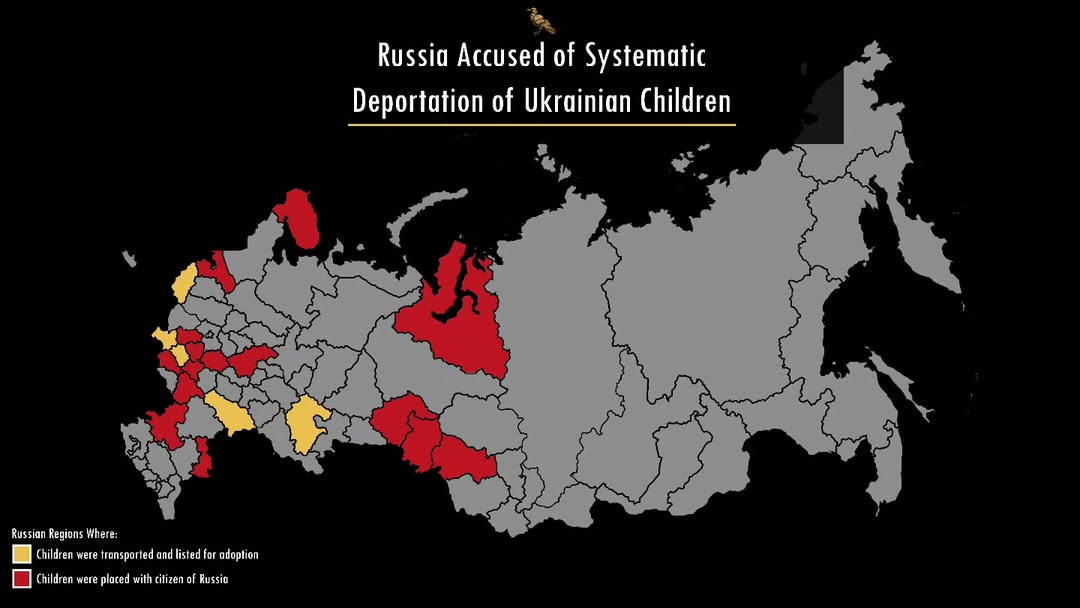
Introduction to Humanitarian Crises
Humanitarian crises can arise from a multitude of factors, including armed conflicts, natural disasters, and pandemics. These events often lead to the displacement of populations, lack of access to essential services, and widespread suffering. In this blog post, we will explore how open source intelligence (OSINT) plays a crucial role in addressing these issues.
The Role of OSINT in Conflict Reporting
Open source intelligence refers to the gathering and analysis of information that is publicly available. For journalistic agencies focused on conflicts and humanitarian crises, OSINT serves as a powerful tool to enhance reporting accuracy and depth. By utilizing data from social media, news reports, satellite imagery, and public records, journalists can uncover vital insights into ongoing situations that may be masked by government secrecy or limited access to affected areas.
Impact on Humanitarian Efforts
The integration of OSINT into humanitarian aid strategies fosters a more informed and effective response to crises. Organizations can identify areas most in need of assistance, track the distribution of aid, and monitor the condition of affected populations. By leveraging real-time data, humanitarian agencies can respond more swiftly, saving lives and mitigating the effects of crises.
In conclusion, as our world increasingly faces complex challenges from conflicts and humanitarian crises, the use of open source intelligence becomes indispensable. It equips journalists and aid organizations with the necessary tools to navigate these crises, ensuring that vital information is available to all stakeholders involved.